 smallroomly
November in a Small Room: A Slower Month at Home
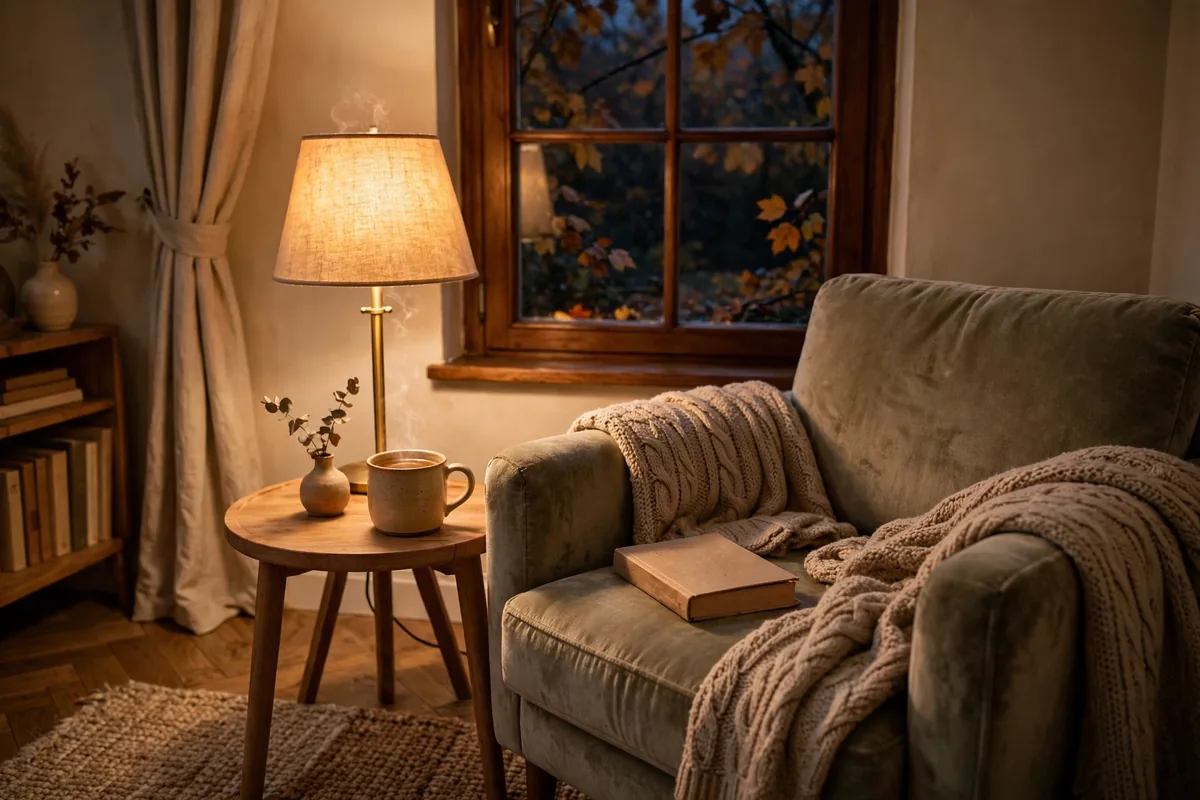
November is the quiet month in a small room. October is busy with change. December is busy with plans. November sits between them, and it asks for less. The days get shorter. The light gets softer. The room gets used more, because you stay in more. That is a good time to slow down. This note is about a slower November at home. It is not a plan for the holidays. It is not a decorating guide. It is a way to enjoy the month you are in, in the room you already have.
November is a slower month
November does not shout. It does not ask for new decor or new plans. It asks for a slower pace. In a small room, that pace suits the space. A small room cannot hold a big rush. It cannot hold ten projects at once. It works best when one thing happens at a time. November gives you permission to do one thing at a time.
Think about what November feels like in your room. The mornings are darker. The evenings come sooner. The air feels cooler, even indoors. Those changes are not problems to fix. They are signals to slow down. A slower month means slower mornings, slower evenings, and fewer plans that crowd the room.
This note will not tell you to buy things for November. It will not tell you to redo the room. It will look at the month through the room. Mornings and cooking and evenings and guests. Each part is small. So are the things you leave undone. Together they make November feel like a month of its own, not just a wait for December.
Shorter days, slower mornings
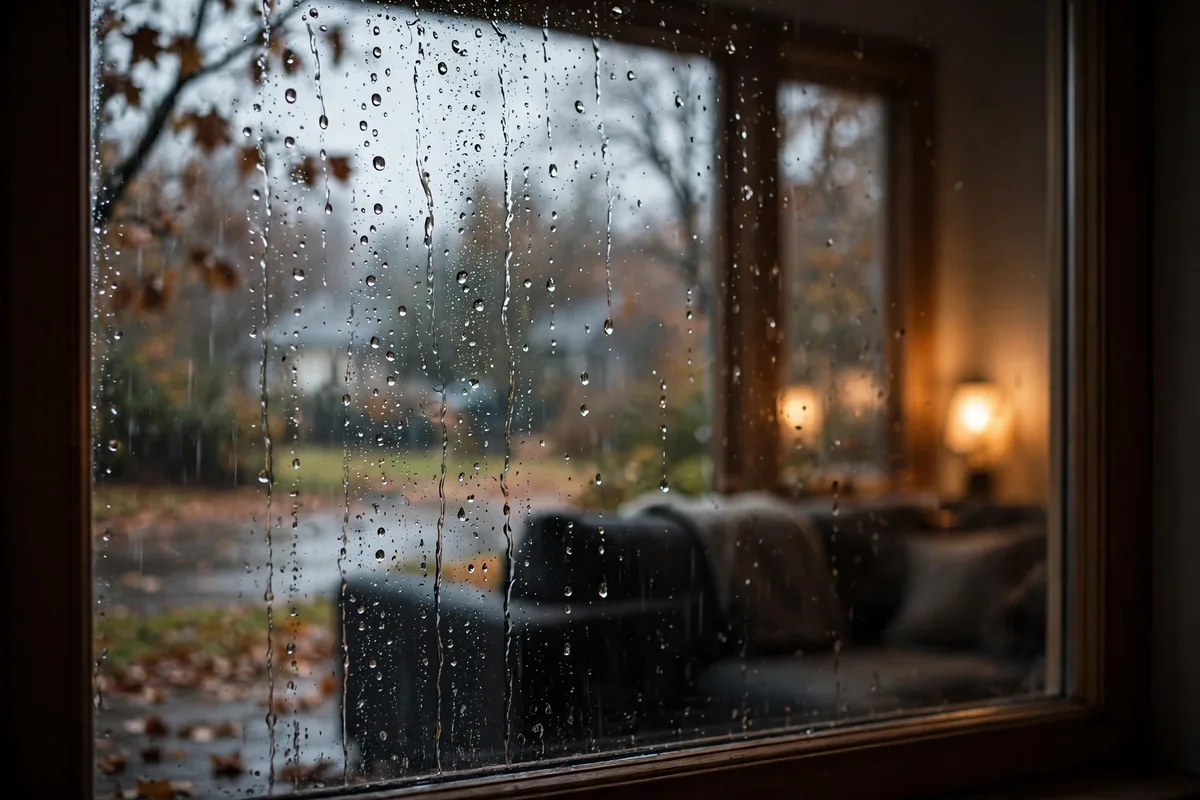
Mornings in November start in the dark. That can feel gloomy, or it can feel calm. The difference is often pace. If you rush a dark morning, it feels hard. If you slow it down, it feels quiet. Sit for a few minutes before the day starts. Drink something warm. Look out at the grey light. Let the room wake up with you.
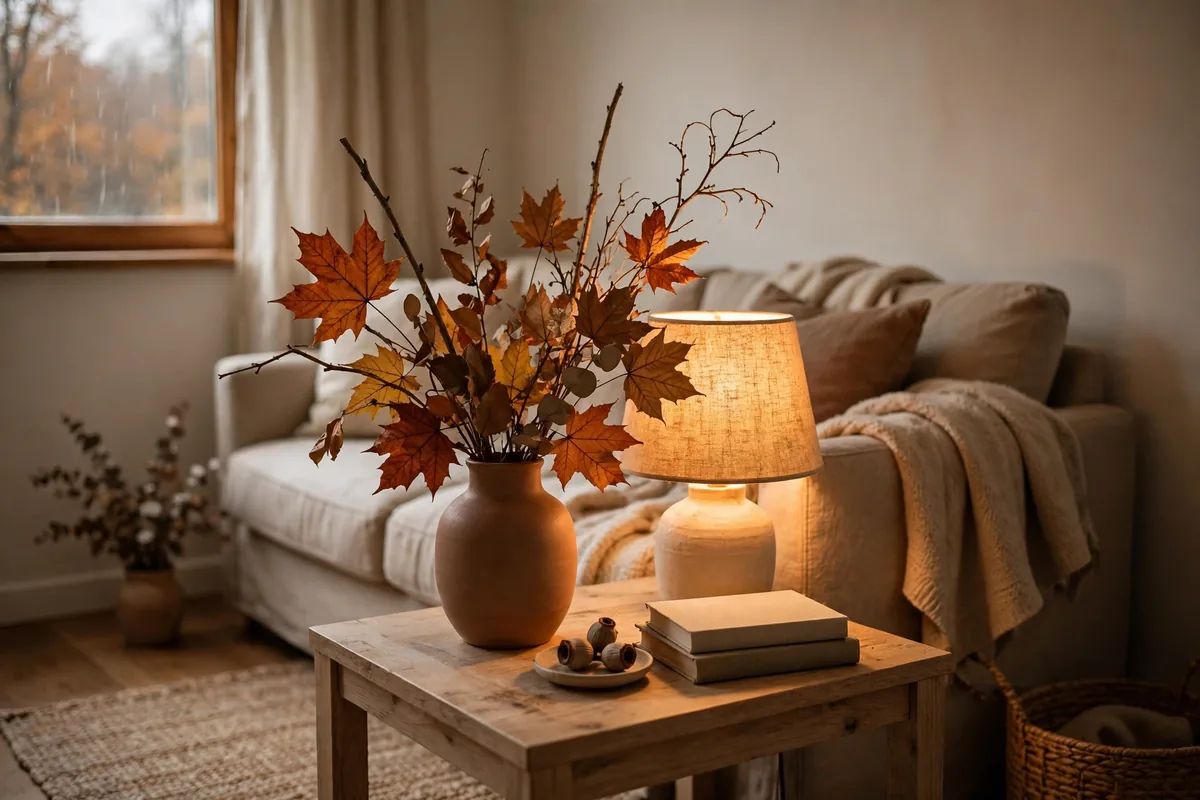
Light helps a slow morning, but it does not need to be bright. One warm lamp in the morning makes a small room feel awake without feeling harsh. Open the curtains once there is daylight, even if the daylight is grey. Grey daylight still tells the room it is morning. It still lifts the mood a little, even on a dull day.
Keep mornings simple in November. One task before you leave, or one task before you settle in. Make the bed. Clear the table. Put one thing back where it belongs. A small room stays calm when the morning has one clear start. Ten morning tasks in a small room feel like clutter before the day has begun.
Slow mornings also help the rest of the day. When the morning is calm, the evening feels calmer too. When the morning is rushed, the evening feels like a catch up. November is a good month to test this. Try one slow morning and notice how the room feels by night.
Cooking becomes the centre of the room
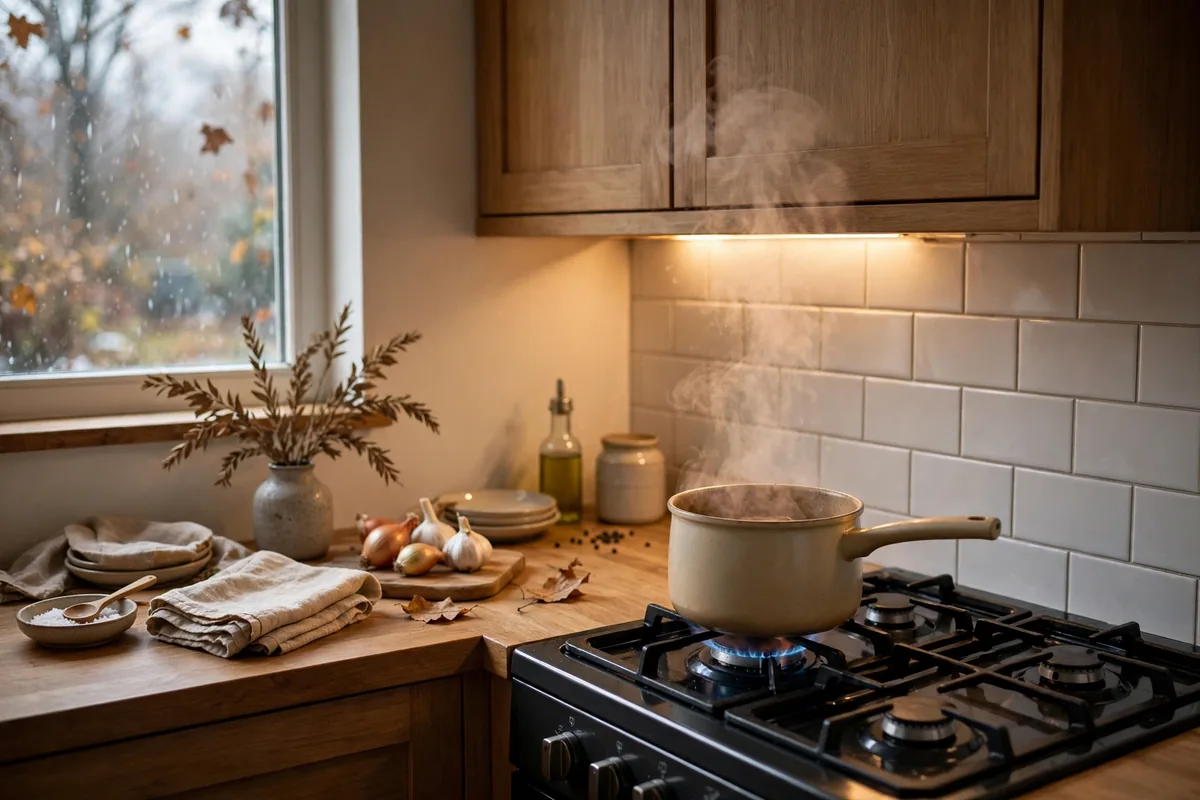
In November, cooking moves to the centre of a small room. Not because you cook more food. Because cooking fills the room in a good way. A pot on the stove warms the air. Steam softens the room. Smells drift from the kitchen to the sofa. The room feels alive, even when it is small.
One warm meal can change an evening. It does not need to be fancy. Soup, pasta, or a simple stew all work. The point is warmth and time, not skill. Cooking slowly in November feels right. The room is indoors. The day is short. There is nowhere else the evening needs to go.
Cooking also gives a small room a centre. Guests gather near food, even in a tiny flat. Family gathers near food too. The kitchen corner becomes the warmest spot in the room, not because it is large, but because it is active. Let it be active. Let the room revolve around one warm pot for an evening.
If you want the room to stay calm while you cook, keep one surface clear. A clear counter feels better than a full counter, even with a pot on the stove. Put things away as you go, in small steps. A small kitchen stays pleasant when it is used in stages, not all at once.
One evening ritual, not a new routine
November evenings are long. A long evening can feel empty, or it can feel rich. A ritual helps. A ritual is one repeated thing you look forward to. It is not a routine with ten steps. It is not a self improvement plan. It is one small pleasure, at the same time, most evenings.
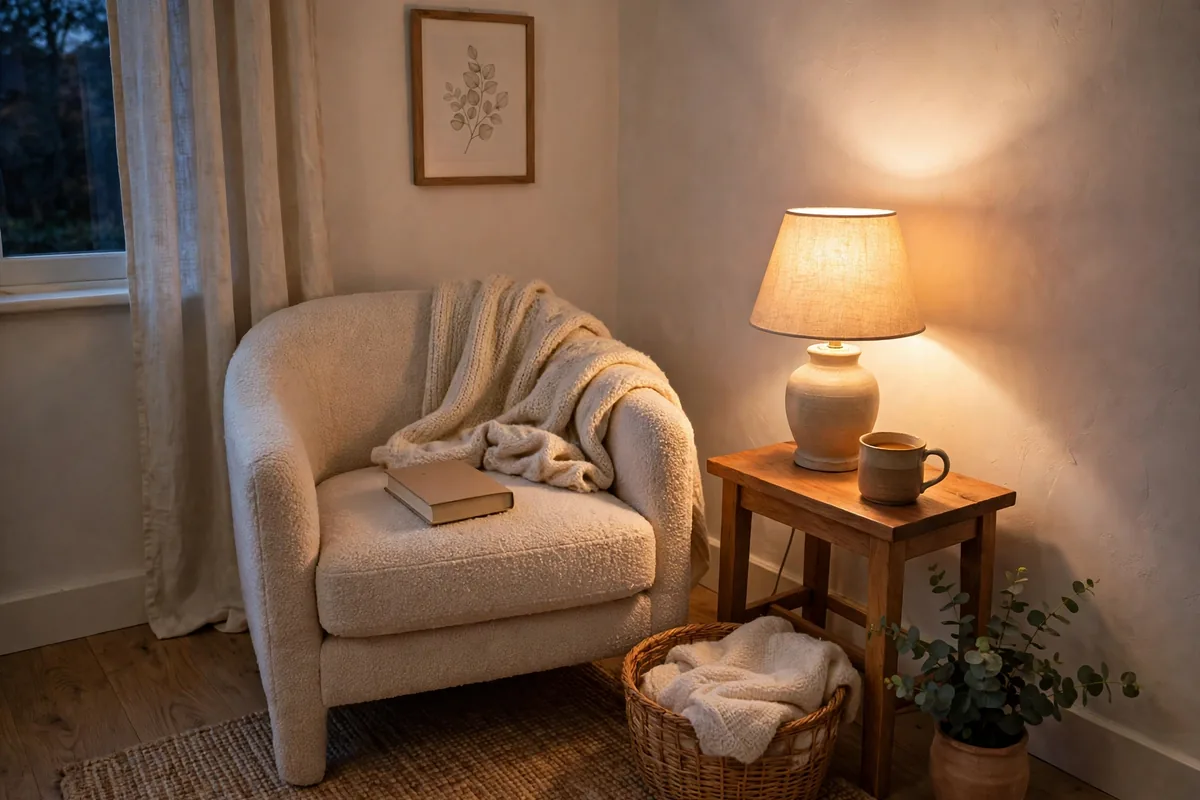
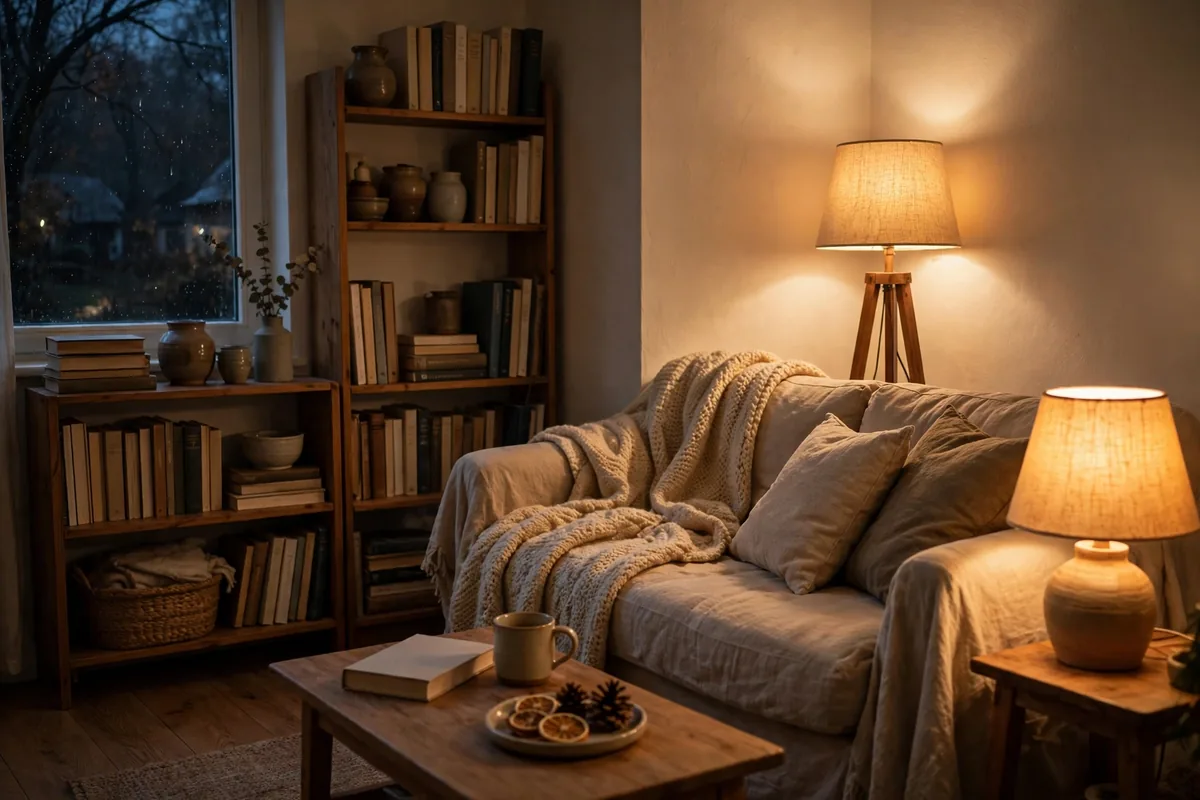
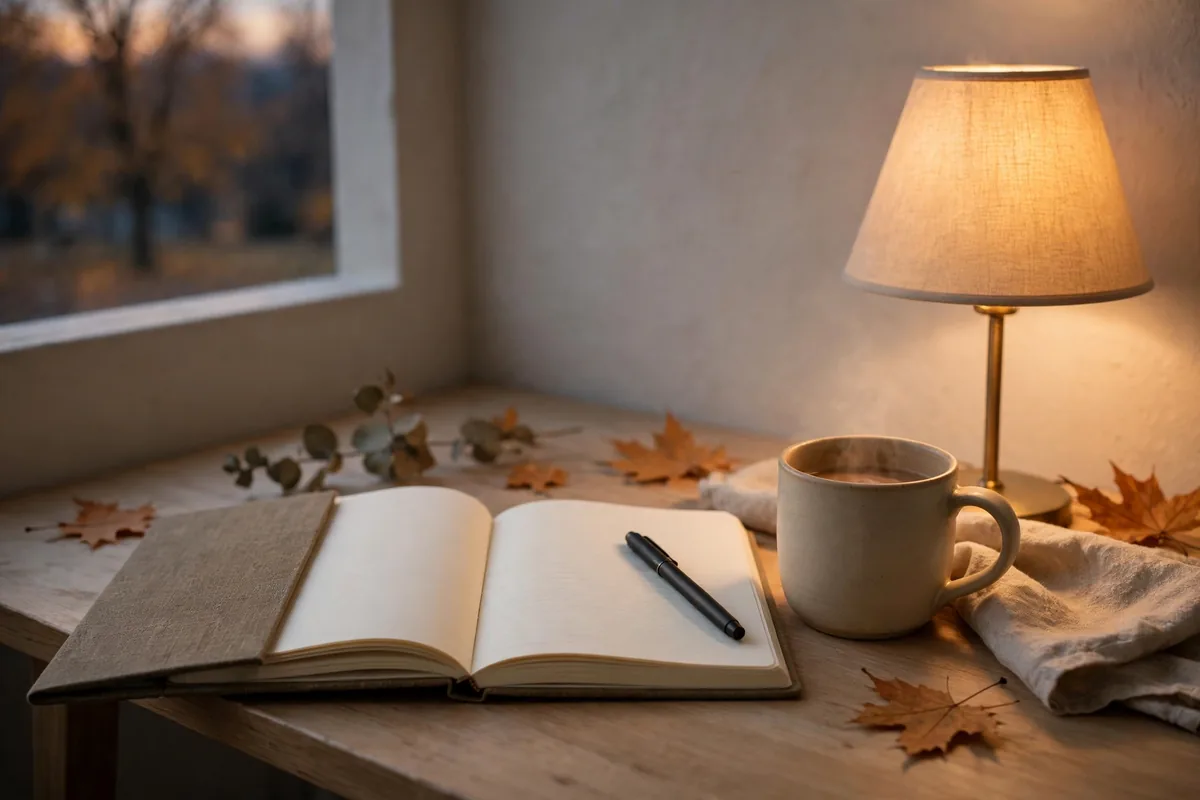
Pick something simple. A book in the same chair. Tea in the same mug. A short walk before dark, then a warm lamp at home. The repeat matters more than the activity. When the evening has a shape, the room feels like it has a shape too. The long night stops feeling like a gap. It starts feeling like a gift.
Keep the ritual small enough to keep. If it needs new gear or a new habit, it will fade by mid month. If it needs only a chair and a lamp and a warm drink, it will last. November is long enough to test this. A ritual that survives November will probably survive winter too.
Rituals also help a small room feel bigger in time, if not in space. A room with a morning shape and an evening shape feels like two rooms. The same chair feels different in morning light and in evening lamplight. Time gives a small room more room, even when the walls stay the same.
Making room for guests, without a guest room
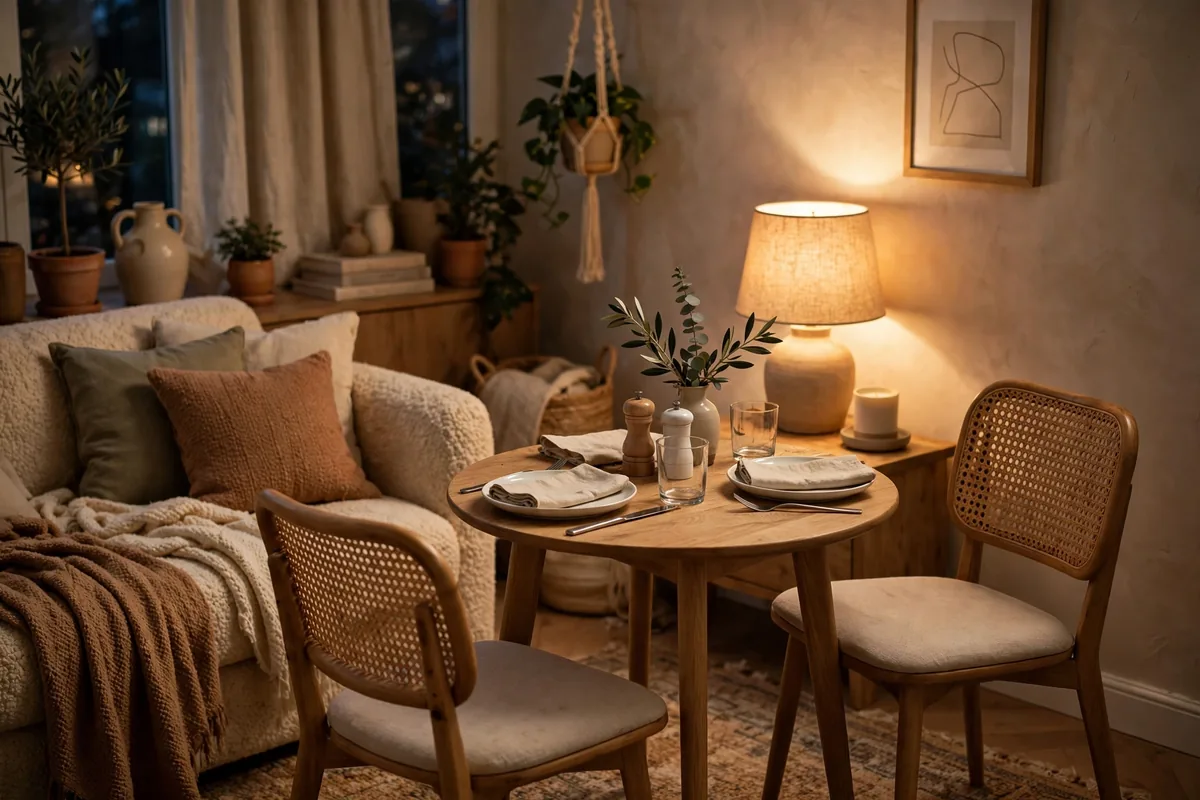
November brings guests, even to a small room. A friend may visit for tea. Family may stay for a night. A small room cannot offer a guest room. It can offer warmth, a seat, and a clear space. That is often enough. Guests remember warmth more than space.
Make room by clearing, not by buying. Clear one chair. Clear one corner for a bag. Clear the table for tea or a meal. A guest feels welcome when there is a place to sit and a place to put things down. A guest does not need a new bed or a new table. A guest needs a host who has made a little space.
If someone stays the night, keep it simple. A sofa with a blanket, a towel, and a quiet corner can work. The guide to organize a small bedroom with no closet helps with clothes and storage in a small bedroom. This note is about the welcome, not the storage. Warm light, a clear seat, and a calm host matter more than a perfect setup.
Guests also change how you see your own room. A visitor notices the warm lamp. A visitor notices the rug. A visitor notices the smell of cooking. Things you stopped seeing become visible again. November guests can remind you that your small room already works. It just needed fresh eyes to see it.
What to leave undone in November
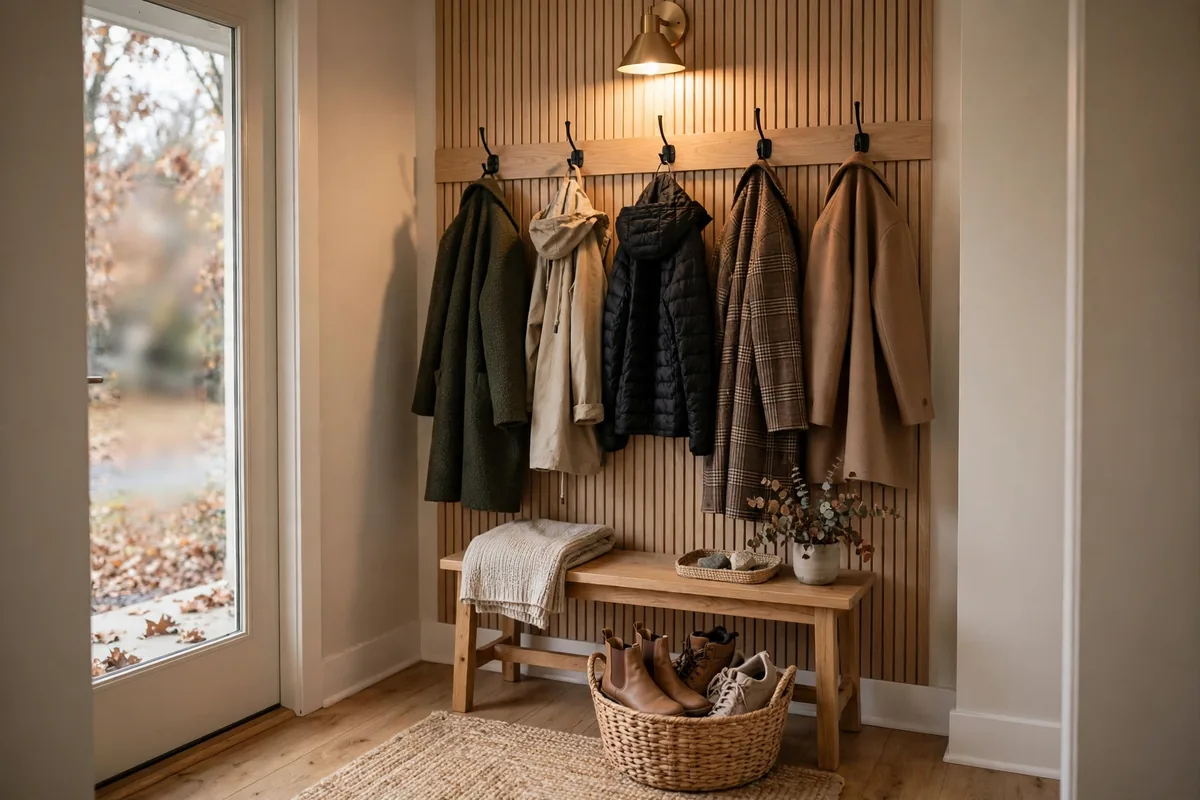
November is also a month for leaving things undone. Not everything needs to be fixed before December. A small room cannot be perfected in a month. It does not need to be perfected. Leaving things undone is not laziness. It is a choice to enjoy the room as it is.
Leave the big projects for later. Leave the room you rarely use as it is. Leave the wall you meant to paint. November light will not show paint at its best anyway. The guide to make a small room look bigger can wait for a brighter month. November is for living in the room, not for remaking it.
Leave one shelf messy if you must. Leave one drawer unsorted. A lived in room is not a failed room. It is a room that is being used. The goal in November is not a show home. The goal is a home that feels good on a dark evening. A little mess in the right place does not spoil that feeling.
Choosing what to leave undone also frees time. Time you would spend fixing can be spent sitting, cooking, or talking. In a small room, time is more valuable than space. You cannot add floor area. You can add an unhurried evening. November is the month to choose time over tasks.
Looking ahead without rushing December
December will come, with its own light and its own plans. November does not need to rush it. You do not need to decorate in November to be ready. You do not need to buy gifts in November to be kind. You can let December arrive in its own time. A small room feels calmer when it is not asked to be festive a month early.
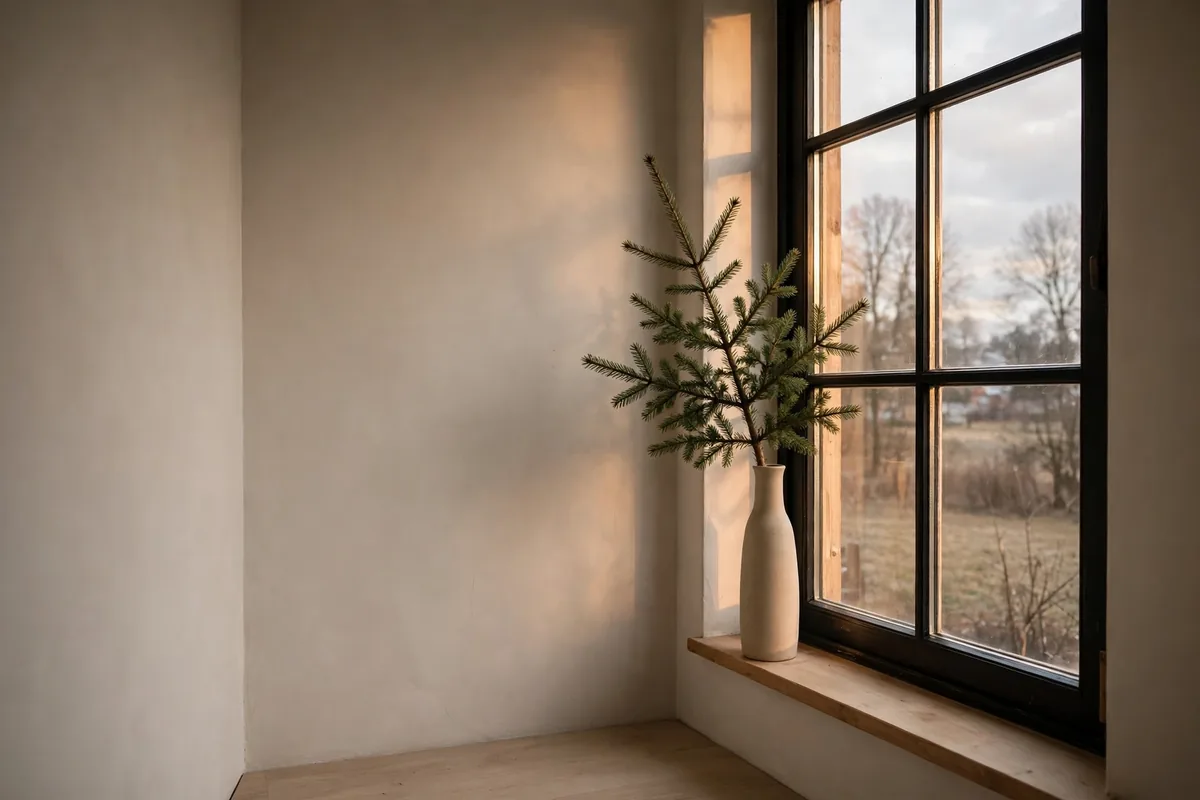
If you want to prepare, prepare lightly. Note one idea for December. Keep one simple branch in a vase if you like green in the room. That is enough. The room does not need to change its character in November. It needs to stay warm, calm, and slow. December can bring its own changes later.
The guide to decorate a small room for under $100 talks about spending order for small rooms. November spending can follow the same idea. Spend little, spend slowly, and spend only on things you will use in November itself. A warm drink, a good book, or a simple meal are November purchases. They do not need a December excuse.
Let November end on its own terms. Short days and warm cooking and one ritual make a room that feels lived in. When December arrives, you will not feel rushed. You will feel rested. That rest is the real gift of a slower November in a small room.
Frequently asked questions
Is November a good month to change a small room, or should you wait for spring?
Wait for big changes until spring, when daylight shows colour and layout clearly. November is good for small warm changes. Light and textiles and routines all count. Big changes in dark months are hard to judge and easy to regret.
How do you host friends in a small room in November without a dining table?
Clear one chair and one table for tea or a simple meal. Guests need a seat, a place to put a cup down, and warm light. A small room hosts well when the welcome is clear, even without a dining table.
What makes a small room feel calm in November instead of gloomy?
Warm low light, one clear surface, and a slow pace. Gloom comes from harsh light, clutter in view, and rushing a dark day. Calm comes from a warm glow, one tidy spot, and time to sit.
Should you decorate for the holidays in November in a small room?
You do not need to. A small room feels calmer when November stays November. One simple green branch in a vase is enough if you like green in the room. Full holiday decor can wait for December, when it will feel fresh instead of early.
How do you keep a small room tidy when you spend more time indoors in November?
Keep one surface clear each evening, and put things back in small steps as you go. A small room stays tidy with one daily reset, not a big clean. Clear the table you eat at, and leave the rest for another day.