 smallroomly
🎨 Best Paint Colors for a Small Dark Room (North-Facing, Basement, or One Small Window)
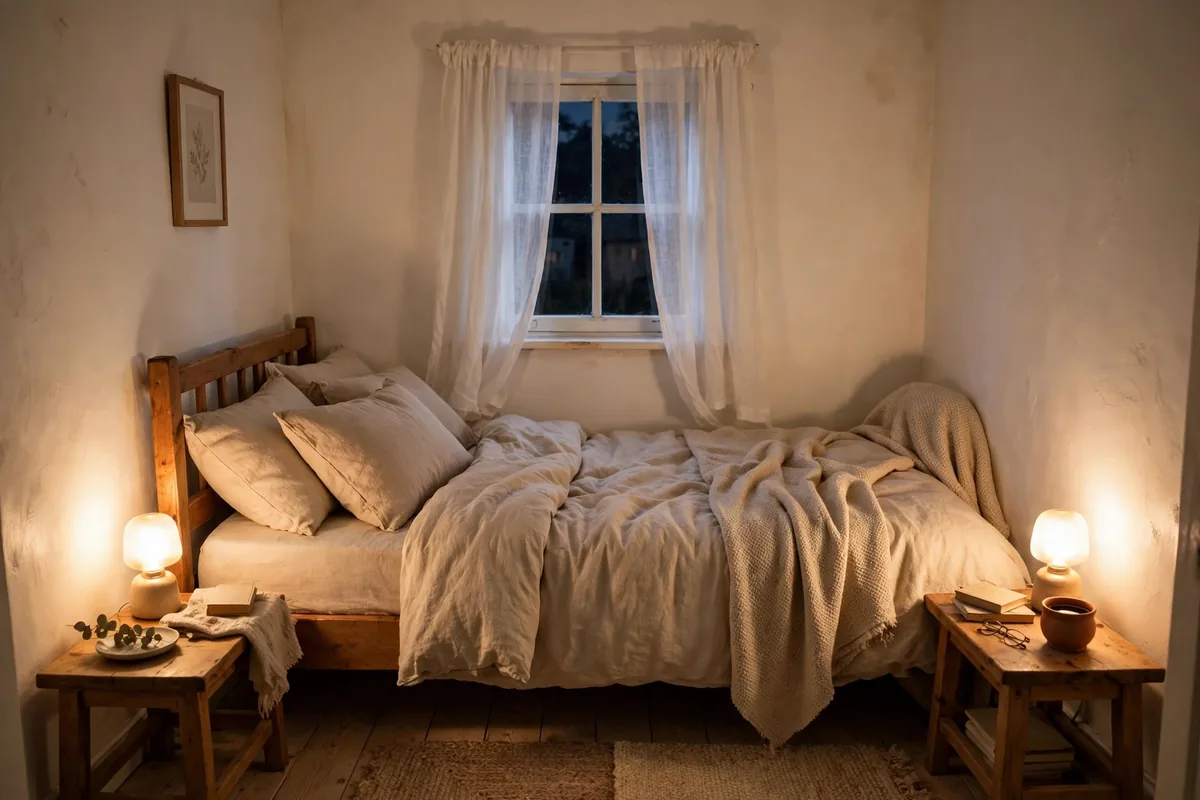
A small dark room doesn't need the brightest white you can find. It needs a colour that warms the light you actually have. North facing rooms and basements and rooms with one small window all share the same problem. They get cool or indirect or scarce daylight. That light makes icy whites look grey and flat. The wrong white can make a dim room feel colder. It can make it feel smaller too. So paint choice in a dark room isn't just about lightness on a chart. It's about undertone and finish. It's about what happens when the lamps come on at night.
Start with light direction, not a colour chart
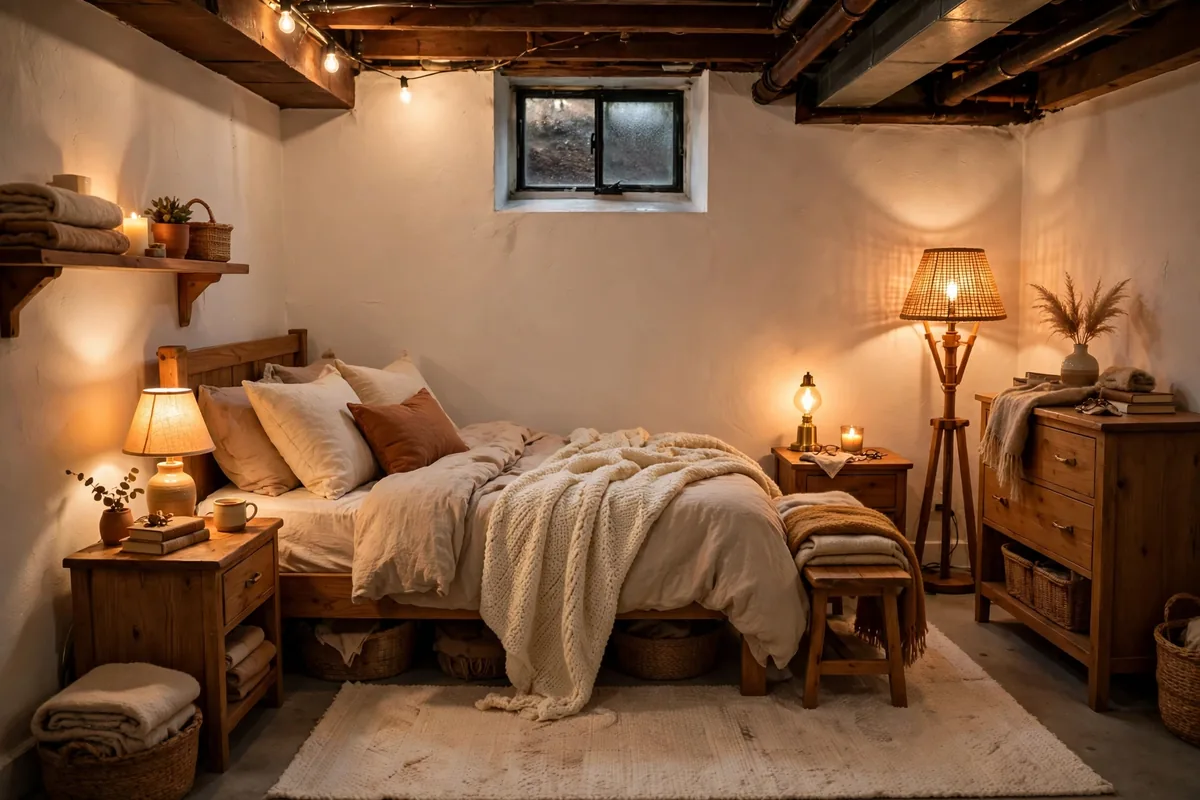
Light direction decides how a colour will behave. North facing rooms receive cool and indirect light all day. So colours with a cool or blue grey undertone tend to look colder there. South facing rooms get warmer and stronger light. They can carry cooler whites more easily. But a basement is closer to the north facing case. A room with one small window is too. They have scarce light. They have no direct sun to warm the walls. And they spend long hours lit only by lamps.
Before you shortlist colours, watch your room at three times. Check it in the morning. Check it in the afternoon. Check it in the evening with lamps on. Note which wall gets any direct light. Note which wall stays in shadow. Note whether your floor and furniture lean warm. Warm means wood and brass. For the next step after colour, warm lamp light matters just as much. That's why our guide to light a room with no overhead lighting pairs naturally with this one. Paint sets the daytime base. Lamps set the evening mood. That pairing sits inside the paint and lighting guides for small dark rooms.
Warm whites that work when light is scarce
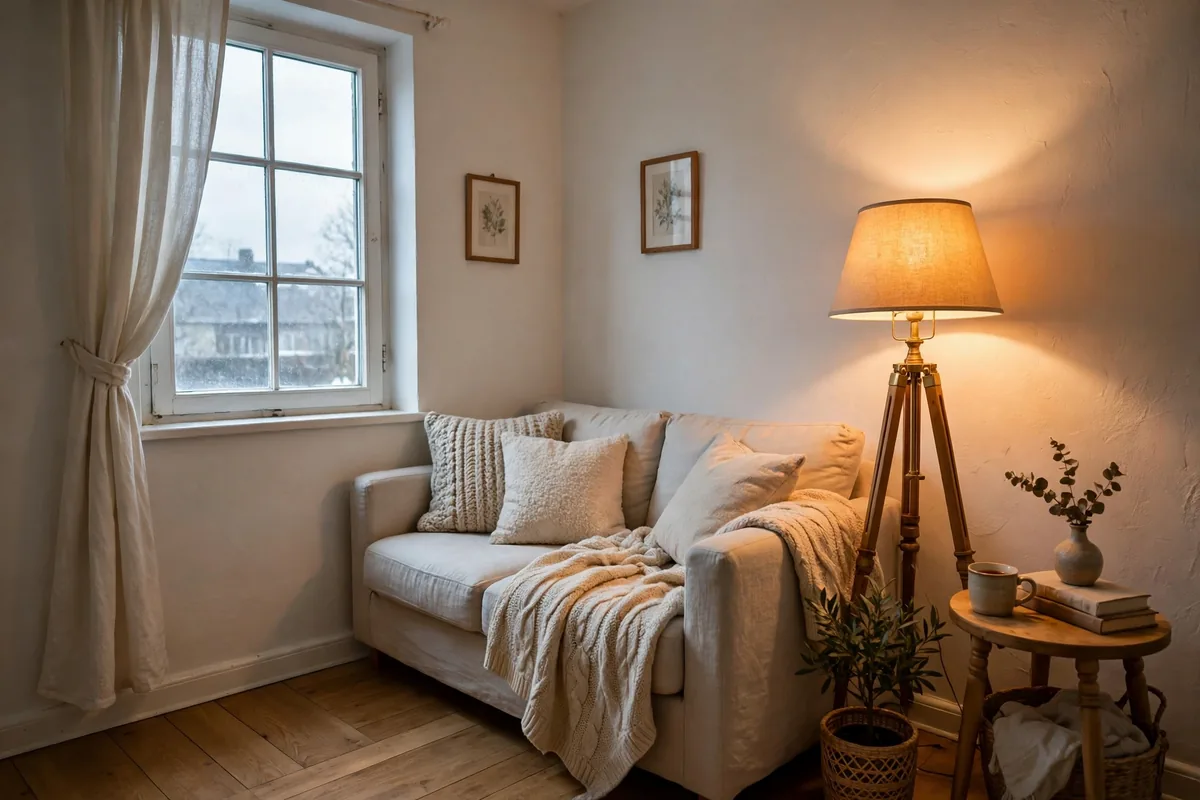
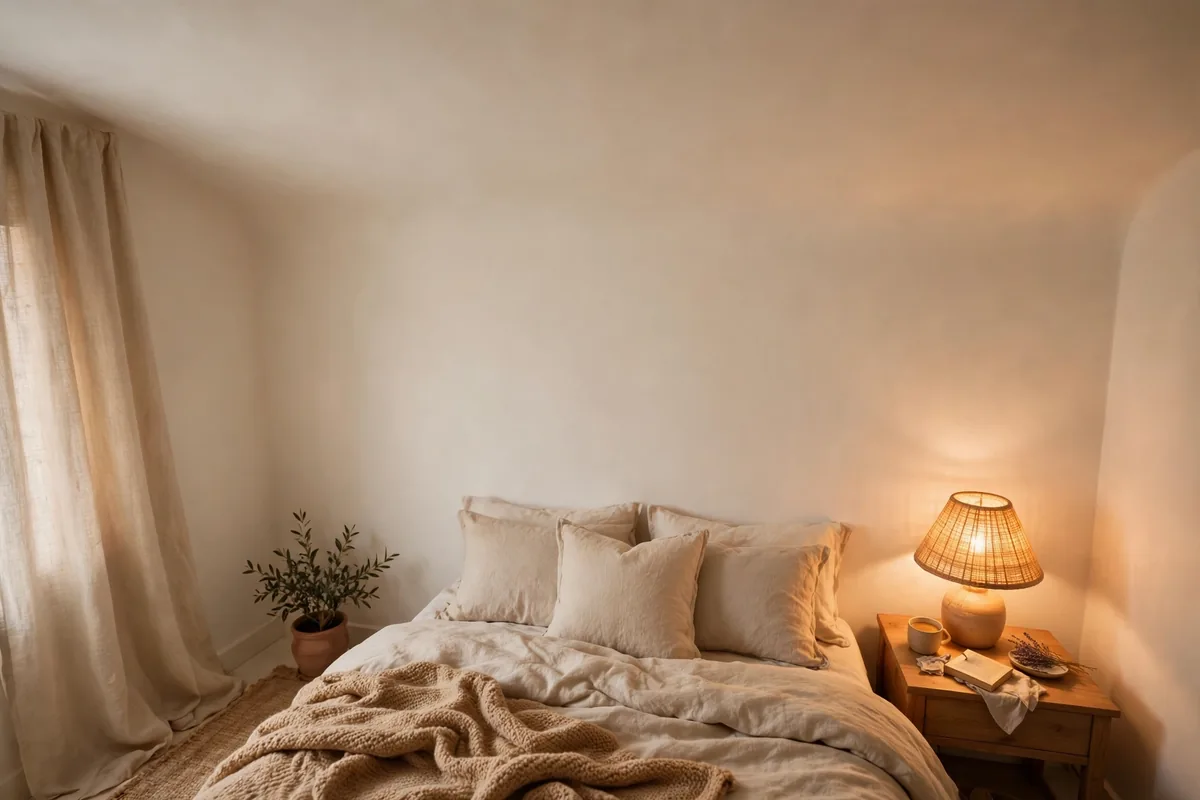
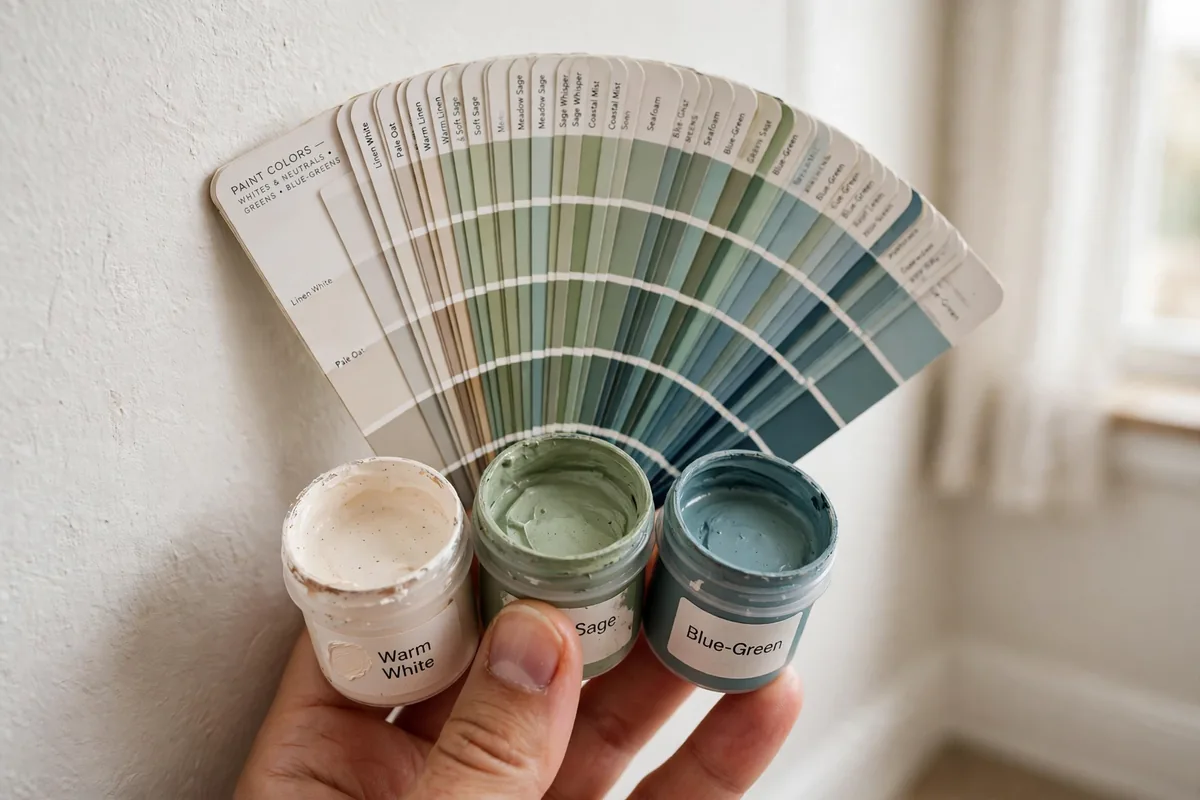
Warm whites are the safest starting point for most dark small rooms. Their yellow or cream or pink beige undertone balances cool daylight. Sherwin-Williams Alabaster and Benjamin Moore Swiss Coffee are useful test starting points. The same name can read differently on your wall. It can read differently under your lamps. Buy sample pots. Paint large test areas. Compare them side by side. Don't trust a tiny card or a phone screen.
Warm doesn't mean yellow. If a warm white turns buttery or orange on your wall, step one shade cooler. Stay within the warm family. Or test a warm greige that sits between white and beige. The goal is a wall that looks like warm paper in daylight. Under a 2700K to 3000K lamp it should look like soft cream. It shouldn't shout its undertone. If every warm white you test looks too yellow, check your lamps first. A daylight bulb at 4000K to 5000K will flatten warm paint. A warm bulb will let it settle.
Muted blue greens and dusty sage for depth
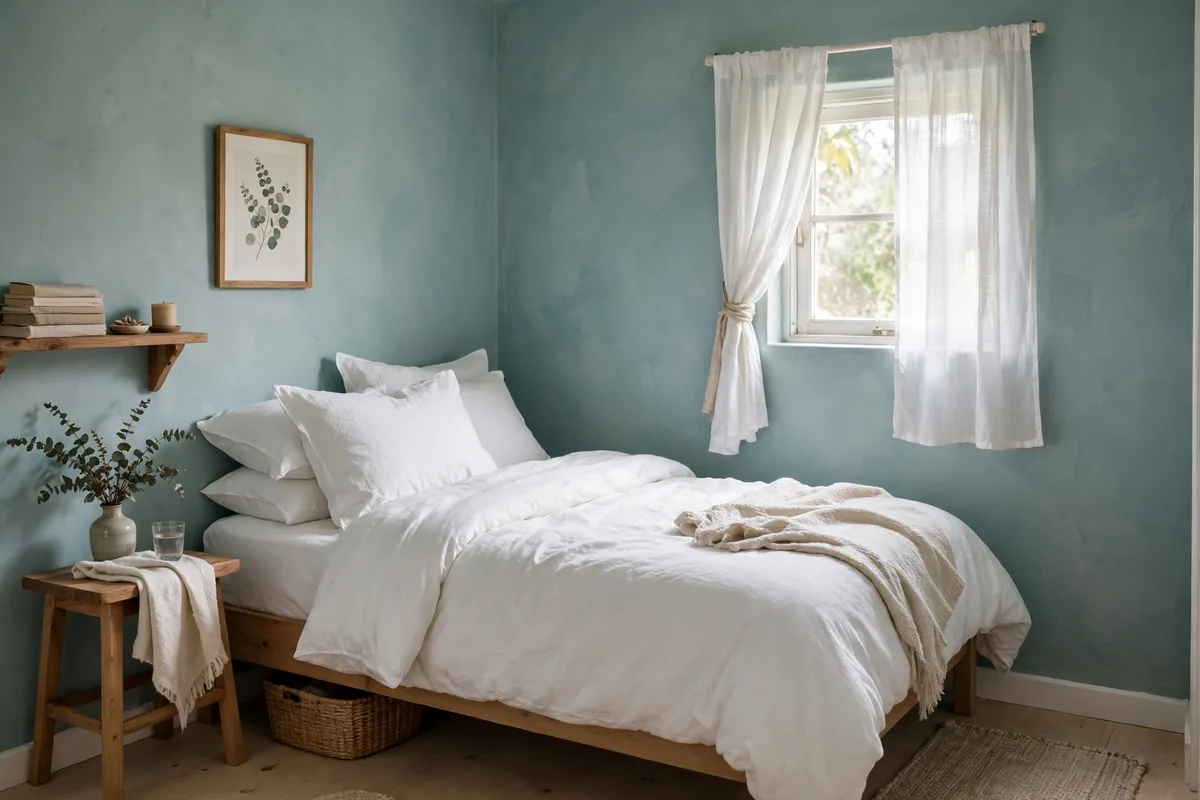
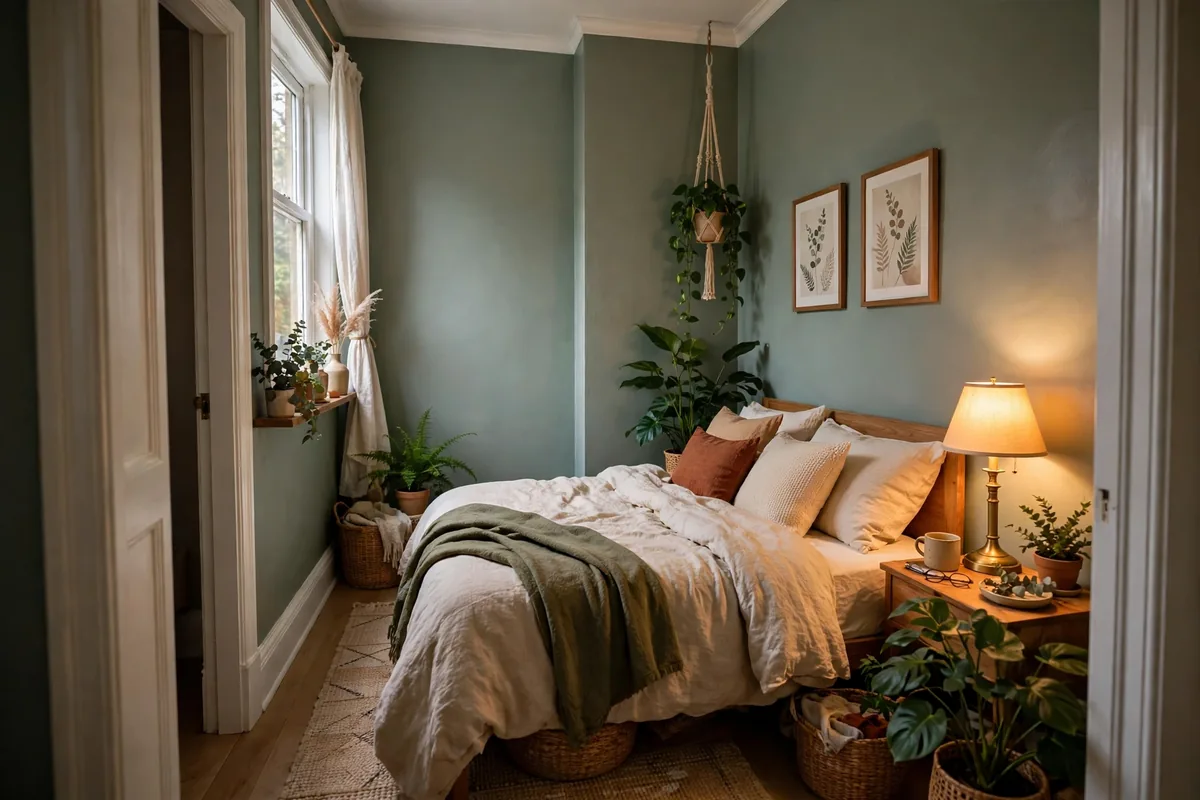
If plain white feels too safe, try muted blue greens. They are the most forgiving colour family for a dark small room. Shades in the Rainwashed and Gossamer Blue family work well. A dusty sage works well for a narrow room too. They add depth and calm. They do so without the shrinking effect of a saturated dark colour. They work because they are muted. Grey has softened the colour.
Use these colours with a clear limit. In a room with almost no light, try one or two walls in a muted blue green. Keep the remaining walls in a warm white. That's usually safer than all four walls in colour. A narrow room can take colour on the long walls. Keep the short end wall light. If you love a deeper shade, test it as a single accent wall first. Live with it for a few evenings under lamps. Only then should you extend it.
LRV and undertone and finish in plain English
Light reflectance value is called LRV. It's a number from 0 to 100. It says how much light a paint bounces back. Higher means more bounce. Lower means more absorption. A high LRV alone doesn't guarantee a bright looking room. An icy white with a high LRV can still look cold in a north facing room. A warm white with a slightly lower LRV can look warmer and more inviting. Read LRV together with undertone. First check whether the colour leans warm or cool on your wall. Then use LRV to compare two colours in the same family. Don't use it to compare a warm white with a cool grey.
Finish changes the result too. Flat paint hides wall flaws. But it can look chalky in dim light. It's harder to clean too. Eggshell or satin reflects a little more light. It stands up to cleaning. It suits most small room walls. Semi gloss is best saved for trim and doors. There, its shine is an accent. In a basement with damp prone walls, fix moisture and ventilation first. No finish will rescue paint on a damp wall. Trapping moisture under a glossy coat can make the problem worse.
Ceilings and trim and edges: the height trick
Paint the ceiling the same colour as the walls. Or paint it one shade lighter. That blurs the line where wall meets ceiling. In a small room with a low ceiling, that blurred edge makes the room feel taller. The effect is strongest when the ceiling isn't a stark bright white against warm walls. That contrast draws a hard line across the room. Use the same warm family on ceiling and trim. Trim can be one step lighter. Or trim can be in a satin finish. That gives subtle definition.
The same edge logic applies to doors and window frames. Trim painted in a warm white that matches the wall family keeps the room calm. A very bright white trim can look harsh next to a muted wall in dim light. See our guide to make a small room look bigger with curtains, mirrors, and furniture placement for the visual tricks that sit alongside paint. There, one large mirror and high curtain rods extend the same feeling of height.
The full-day swatch test, step by step
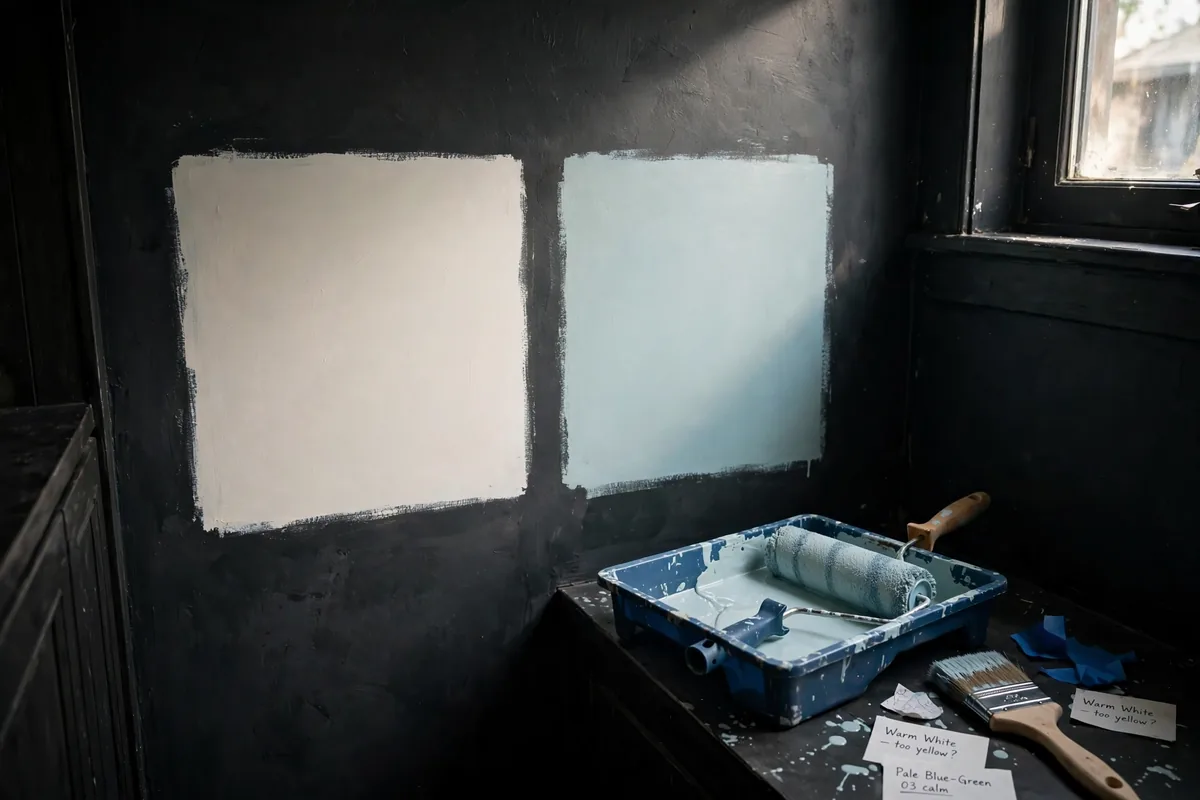
Small swatches lie, so test big. Paint at least a square two feet on each side on two walls. Pick one wall that gets window light. Pick one wall that stays in shadow. Leave a gap of your current wall colour between test colours. Then you can judge each one cleanly. Look at the swatches in morning light. Look at them in afternoon light. Look at them in evening light with lamps on. Look again with only one lamp on. Most dark rooms are lived in under lamps. Before you buy sample pots, the free room planner can confirm the room size you're working with.
Live with the swatches for at least two days. Check them against your bedding and rug and largest piece of furniture. A colour that matches the swatch card can still clash with a warm wood floor. It can clash with a grey sofa too. That clash will annoy you every day. If two colours are close, choose the one that looks better under lamps.
When paint makes a dark room worse
Paint fails in a dark room in a few repeatable ways. An icy or blue grey white makes a north facing room feel cold and flat. A very dark colour on all four walls absorbs the little light there's. This is worse in a room with almost no light. The walls close in, especially at night. A glossy finish on an uneven wall highlights every bump and repair. A colour chosen under shop lighting can shift a lot once it's home.
The fix is rarely to go brighter. Go warmer instead. Go more muted instead. Or go more limited instead. Swap an icy white for a warm white in the same lightness range. Reduce a dark colour to one accent wall. Or switch a glossy wall finish to eggshell. Our guide to decorate a small room for under $100 puts a rug and warm light before any new colour or decor. Light changes how every colour in the room reads.
Renter branch: when you can't paint at all
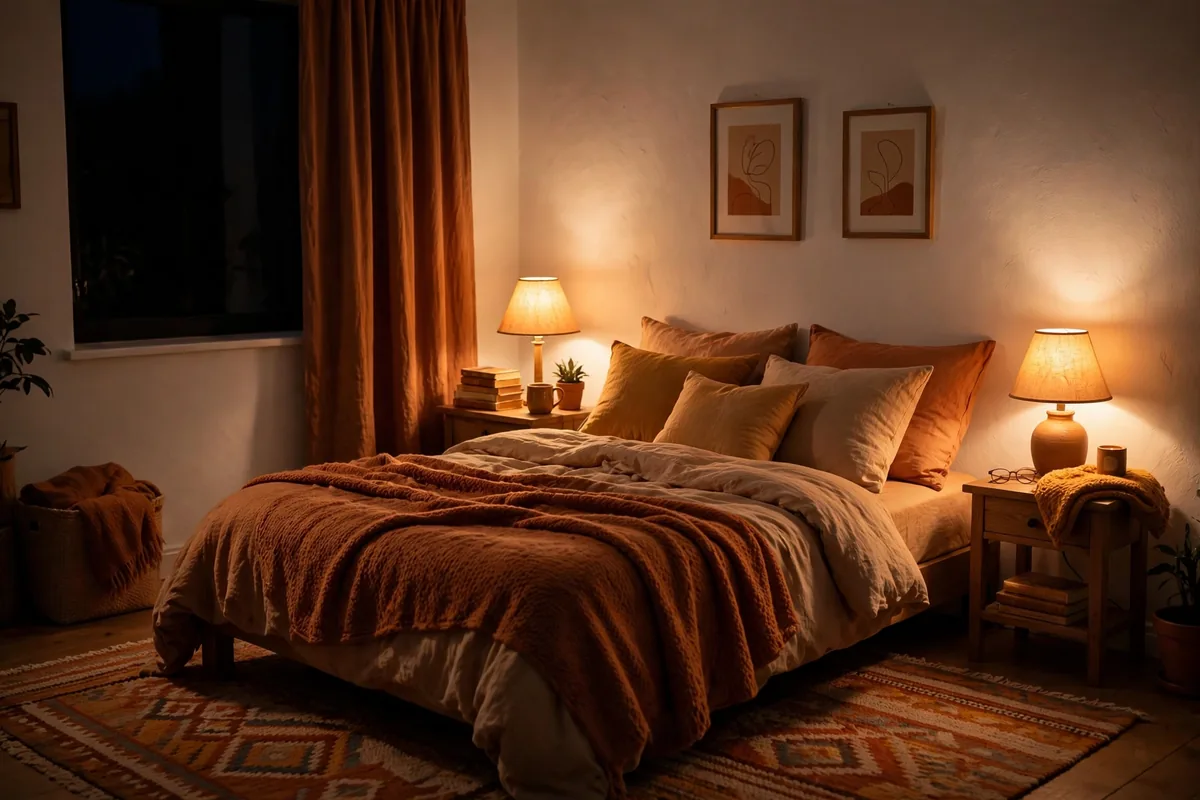
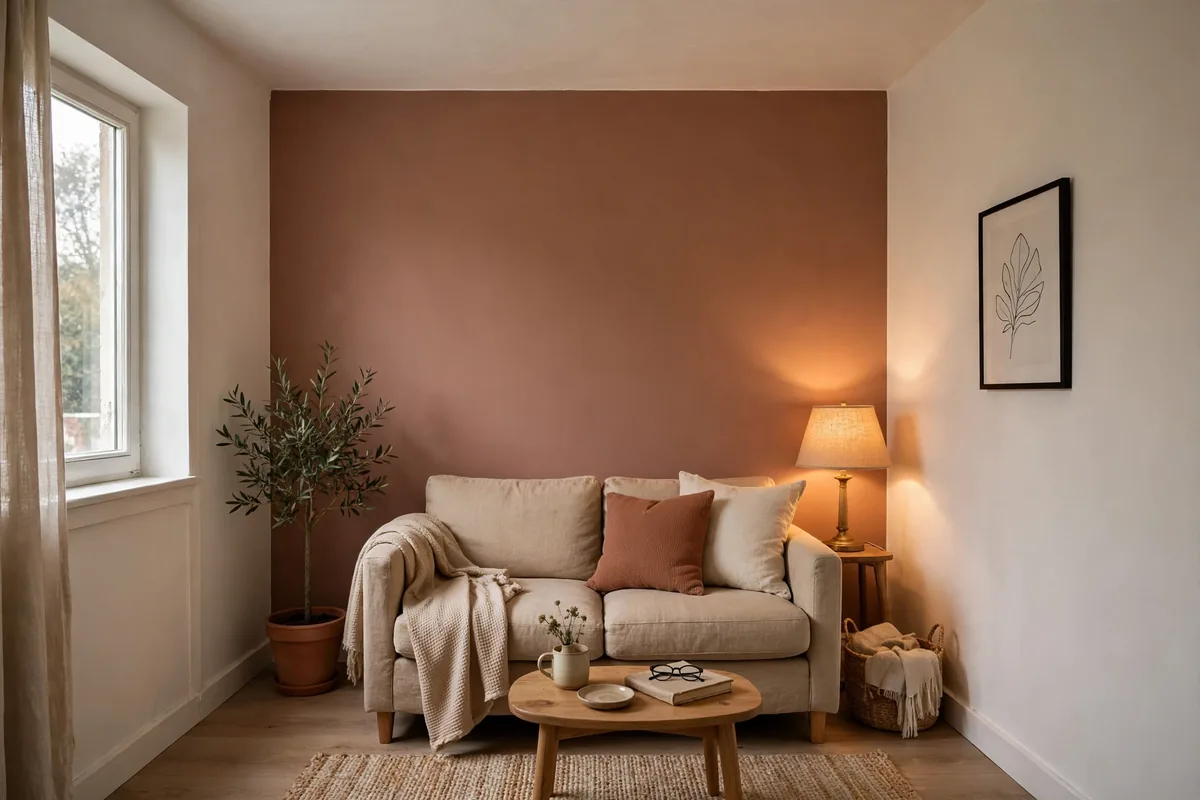
Many renters can't paint. Some can only paint if they repaint before moving out. That makes a full room repaint a poor deal. In that case, get warmth from light and textiles instead of from the wall. Use lamps at 2700K to 3000K. Use warm bedding and throws. Use a large warm toned rug. Use wood tones. Use one warm piece of art. These layers change how a pale rented wall feels. They do so without touching it.
Peel and stick wallpaper is sometimes offered as a paint substitute. But it's not automatically deposit safe. It can lift paint on fresh walls. It can lift paint on flat or chalky or textured walls too. Fresh paint needs 2 to 4 weeks or more to cure before any adhesive product goes on it. Browse the SmallRoomly blog for storage and lighting guides. They keep the walls exactly as you found them.
Frequently asked questions
Which warm white should I test first in a north-facing small bedroom with one small window?
Start with Sherwin-Williams Alabaster or Benjamin Moore Swiss Coffee as a test. Don't treat them as a final choice. Paint a large swatch on two walls. Check it in morning and afternoon and evening lamp light. Compare it with your floor and bedding before you commit.
How do I use LRV and undertone together for a basement room with almost no daylight?
Check undertone first on your own wall. Does the colour lean warm or cool under your lamps? Then use LRV only to compare colours in the same family. Higher LRV bounces more light. A high LRV icy white can still look cold in a basement.
Will a muted blue-green shrink a narrow dark bedroom compared with a warm white?
A muted blue green won't shrink the room the way a saturated dark colour can. Keep the short end wall or ceiling light. Use it on one or two walls with white bedding and warm lamps. Reduce it to one accent wall if the room feels closed in at night.
How long after painting a dark room should I wait before using adhesive hooks or peel-and-stick decor?
Wait at least 2 to 4 weeks for paint to cure. Wait longer in a cool or damp room. Do this before any adhesive hooks or peel and stick product goes on the wall. Test a hidden patch for a week first. This matters most on fresh or flat or chalky or textured paint.
Can I use one dark accent wall in a small room with one small window without making it feel smaller?
Yes, if the other three walls stay warm and light. Keep the ceiling light too. Put the accent wall behind the bed or sofa. Keep it muted rather than glossy. Use warm lamps at night. Live with it a few evenings before you extend it.